


Helping Teens Build Belonging, Connection, and Well-Being
Wyman’s Teen Connection Project (TCP) is a nationally recognized, evidence-based, highly interactive program designed to strengthen belonging, peer connection, and emotional well-being among high school-aged teens.
TCP’s 12 sessions focus on communication, trust, vulnerability, giving and receiving support, and exploring personal strengths. Through peer groups and supportive adult facilitation, teens build meaningful relationships, develop social, emotional, and life skills, and strengthen their connection to school and their community. These experiences help foster protective factors that support mental health, resilience, and overall well-being. Schools and community organizations can use TCP as part of broader youth development, student support, wellness, or belonging initiatives.
12 Sessions. 12 Hours. Big Impact.
How does Wyman’s Teen Connection Project (TCP) get results in just 12 hours? Every moment is intentional.
The result? In just 12 hours together, teens:
- Build Connections. Teens develop authentic relationships with peers and adults, and apply new relationship skills at home, at school, and within their communities.
- Build important life skills, like communication and empathy, that support the development of positive connections with others.
- Focus on and improve their overall well-being. Teens feel well physically and emotionally, and express hopefulness about the future.
- Know that they matter.
More about TCP

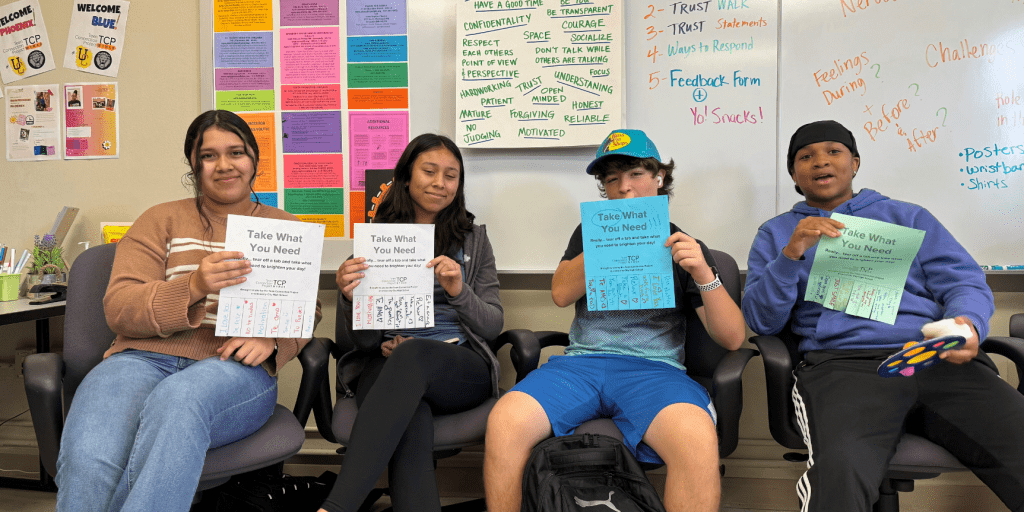
Why do so many national and local partners choose TCP? Because it works.
Teens leave TCP with new skills they apply outside of the program. External research on TCP has shown:

Higher quality peer relationships

Higher academic engagement

Greater use of social coping strategies
Improved well-being
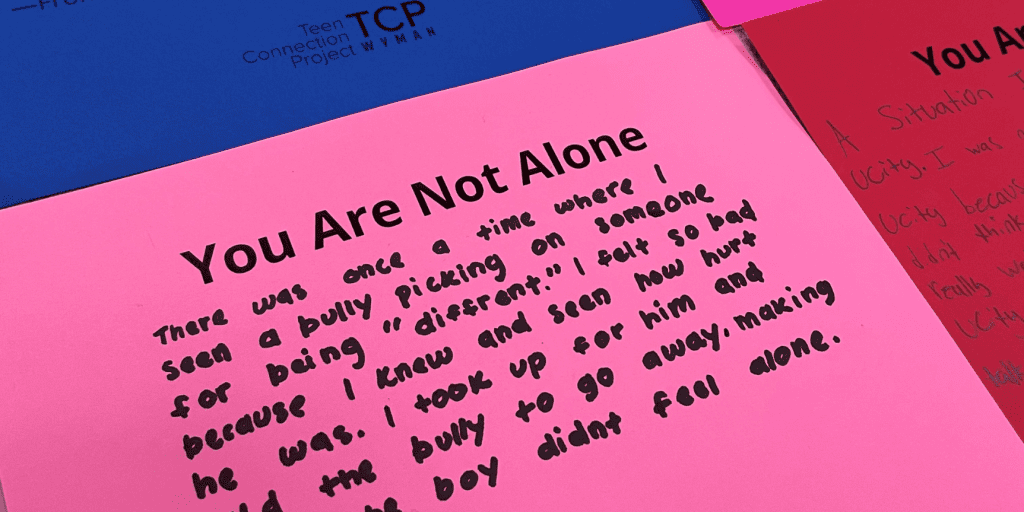
“In TCP Lesson 7, You Are Not Alone, it’s like a deep talk with everyone and you can get feelings off your chest. Everyone has problems, not everybody is perfect. I feel like people should know everybody goes through things and that they are not alone. When we talk to others about problems, it can be a relief, and it can make you feel better.” – Gibraun, TCP participant
Want to learn more about the Teen Connection Project (TCP) or bring it to your community?
Complete this form and we will be in touch!
Note: Wyman only directly implements TCP at certain sites in the St. Louis area. We train and support others who wish to replicate TCP in their communities. If you’re interested in becoming a partner and being trained to deliver TCP, please fill out this form.
TCP is recognized as a Certified Promising Program by Blueprints for Healthy Youth Development and received CASEL’s highest designation for quality programming, among several other evidence-based recognitions.
Frequently Asked Questions about TCP
What is Teen Connection Project (TCP)?
Teen Connection Project (TCP) is a highly interactive program that helps teens build meaningful peer relationships, strengthen their sense of belonging, and support their emotional well-being. Co-developed by Wyman, TCP is evidence-based and used by schools and youth-serving organizations across the country.
Who does TCP serve?
TCP is for all high school-aged teens and provides opportunities to build peer connections, strengthen relationships, and increase their sense of belonging. Annually, Wyman directly serves more than 150 teens at University City High School, and more than 2,600 teens in the St. Louis region and across the country have participated in TCP through their schools and community organizations.
How long does TCP last?
TCP is delivered through 12 curriculum lesson-based sessions, providing teens with consistent opportunities to build trust, strengthen relationships, and develop meaningful peer connections. Each session is 45-60 minutes long, and it is recommended that TCP groups meet weekly.
Why are peer connections important for teens?
Strong peer relationships help young people feel supported, valued, and connected. Positive social connections contribute to emotional well-being, school engagement, resilience, and healthy development.
How does TCP help teens feel more connected?
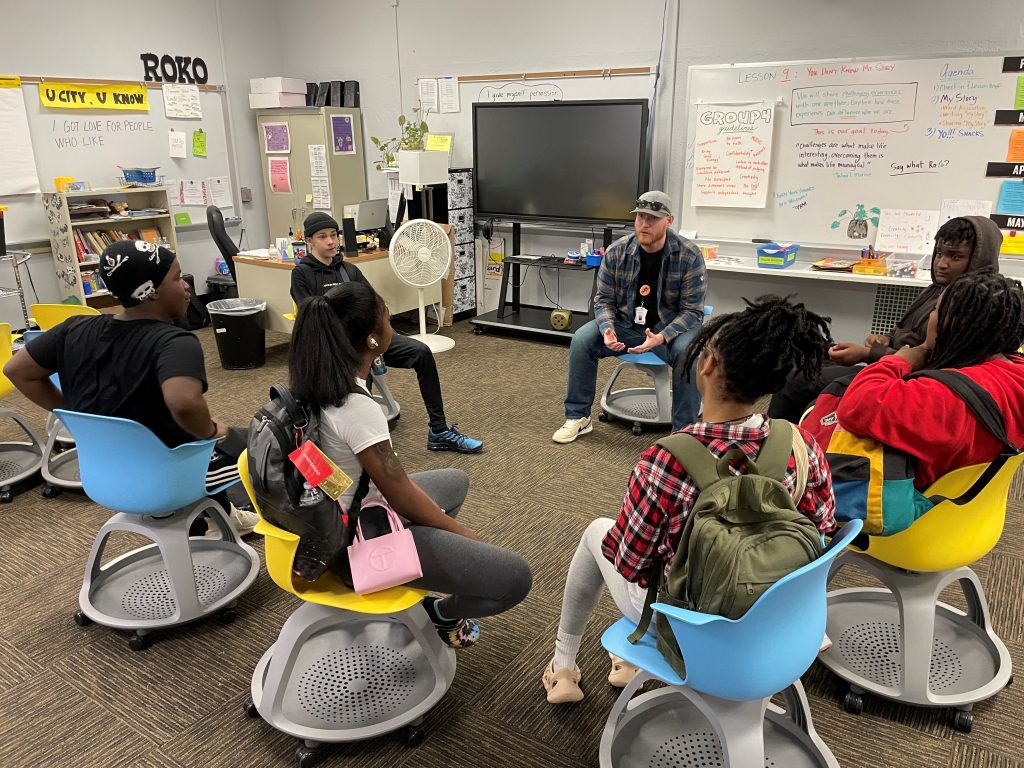
TCP facilitators work to nurture, support, and develop a culture of connection during TCP by establishing safe, supportive peer group experiences for teens. In their TCP groups, teens participate in activities and discussions that foster trust, empathy, and authentic relationships. These experiences help teens develop stronger connections with their peers and their school or community.
What happens during TCP sessions?
TCP follows a sequenced curriculum of 12 interactive lessons that encourage intentional group activities and discussions. Each lesson builds on the previous one, which helps teens build trust, develop communication skills, strengthen relationships, and create lasting social connections with peers. In the beginning of the program, teens come together to get to know one another and start to create a group culture (Example: Lesson 2 “Creating Our Group Culture” gives teens the opportunity to create group guidelines and begin developing a sense of safety, trust, and comfort in TCP). Once the TCP group has been established, lessons focus on trust building and sharing. As lessons progress over time, teens share more about themselves, deepen their level of connection and practice skills outside the group (Example: Lesson 6 “If You Really Knew Me” encourages teens to explore being vulnerable and share something about themselves in a safe, anonymous space).
Trained TCP facilitators are key to ensuring TCP groups are supportive environments where teens feel safe to connect with one another and fully participate in each lesson.
Is TCP evidence-based?
Yes. TCP has been evaluated through rigorous research. Teens who participated in TCP experienced higher quality peer relationships, greater use of social support to cope with challenges, increased school engagement and lower levels of depressive symptoms compared to teens who did not participate in TCP. These positive outcomes were observed at the 4-month follow-up after the program ended.
What outcomes does TCP support?

TCP helps participants develop stronger connections to their peers, schools, and communities and build social, emotional, and life skills.
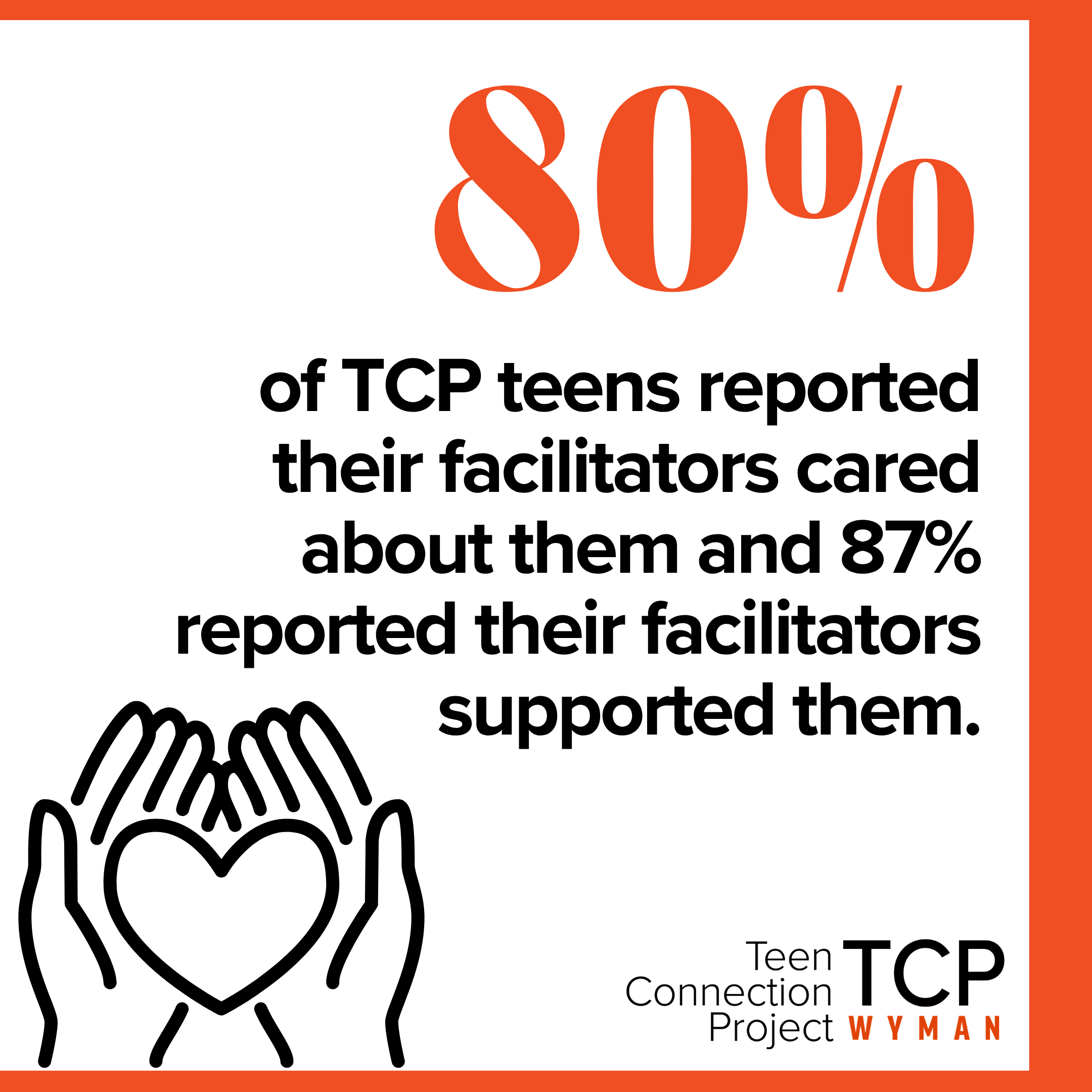
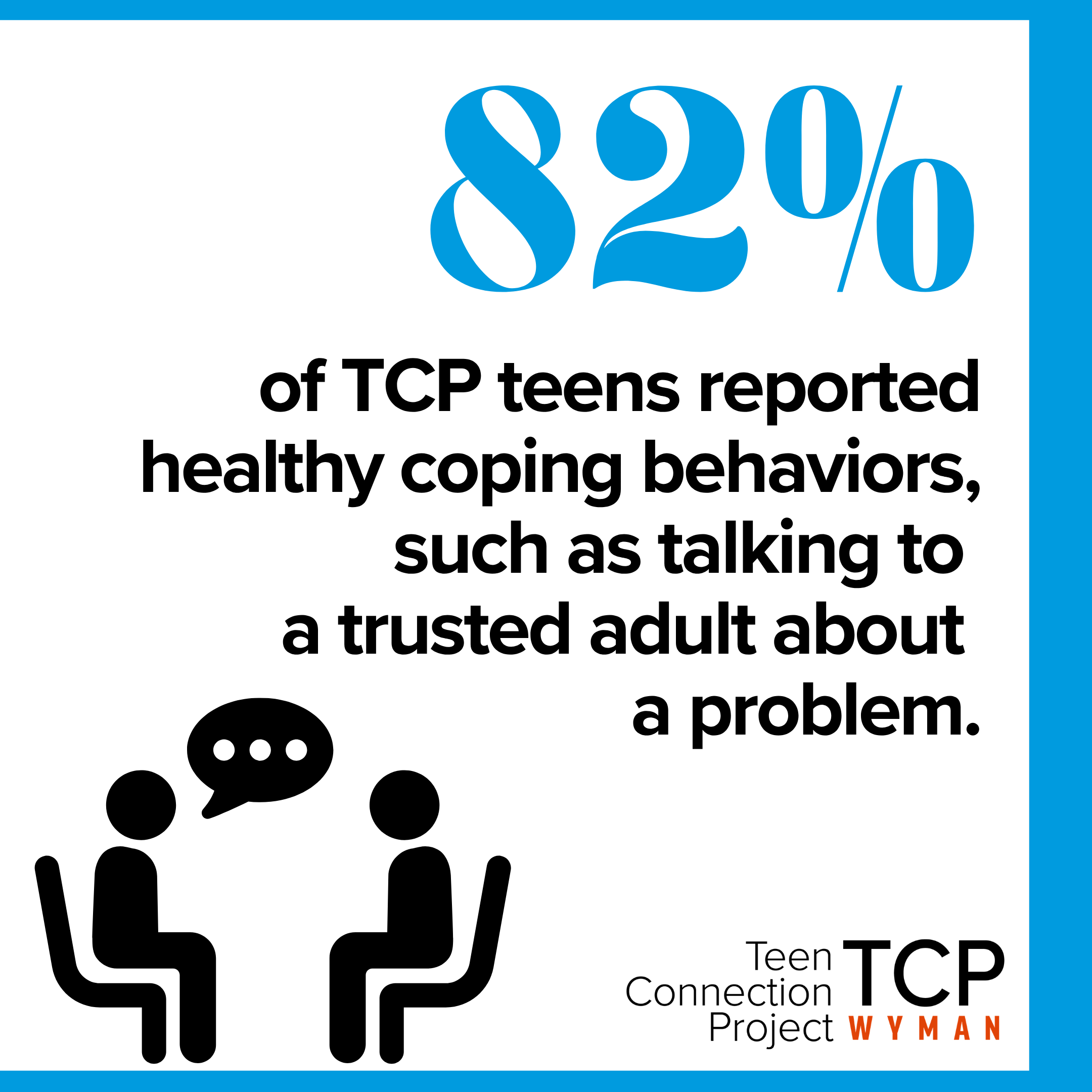
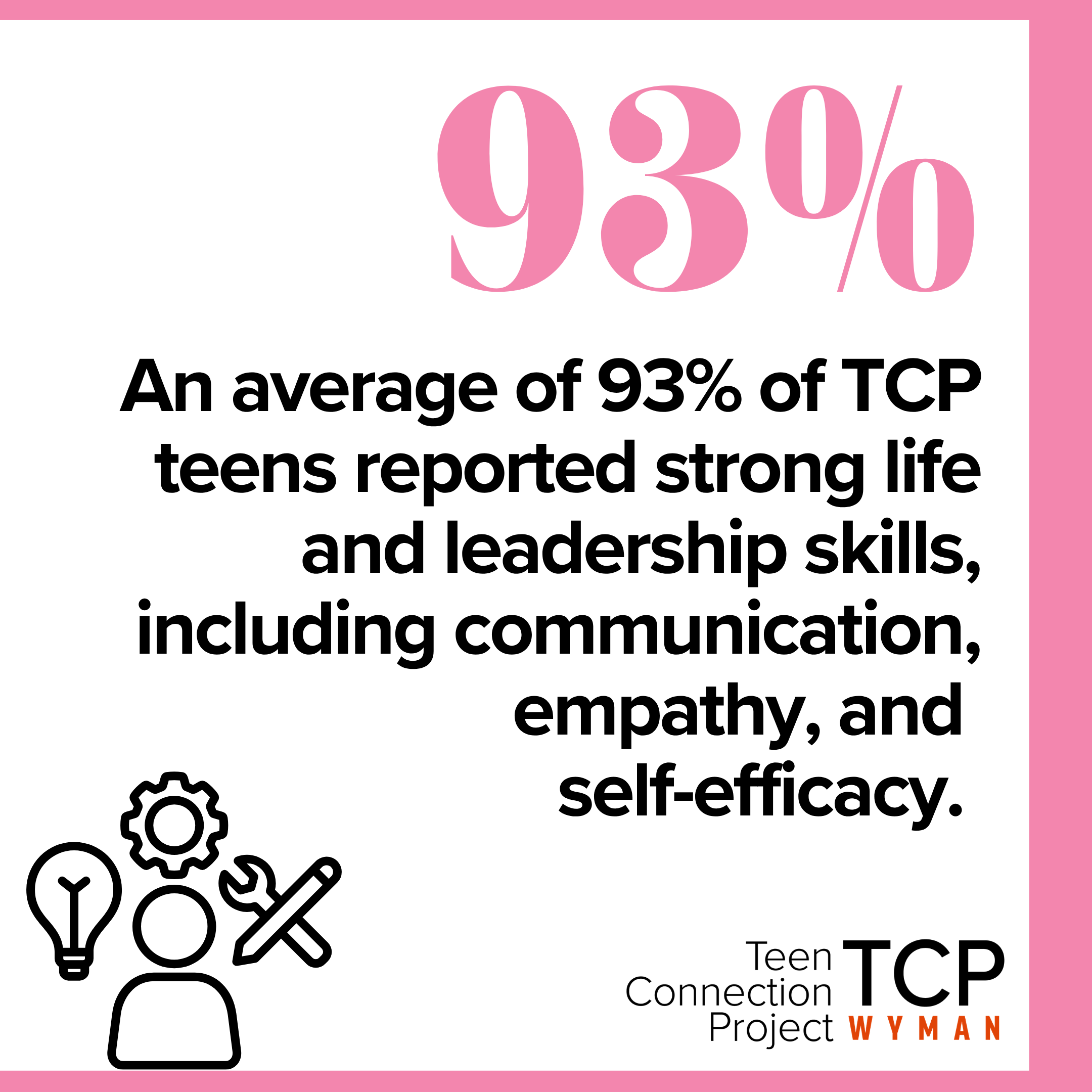
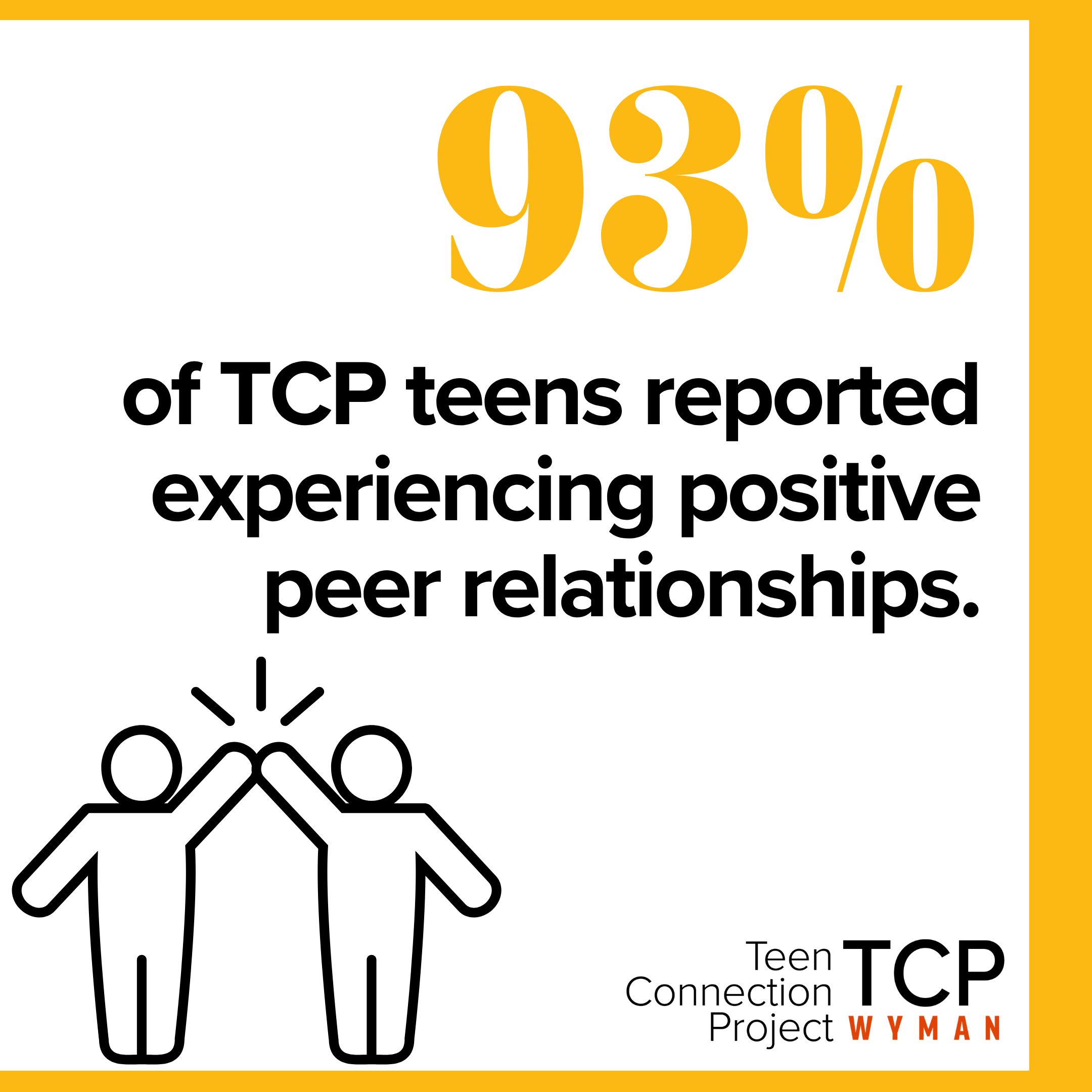
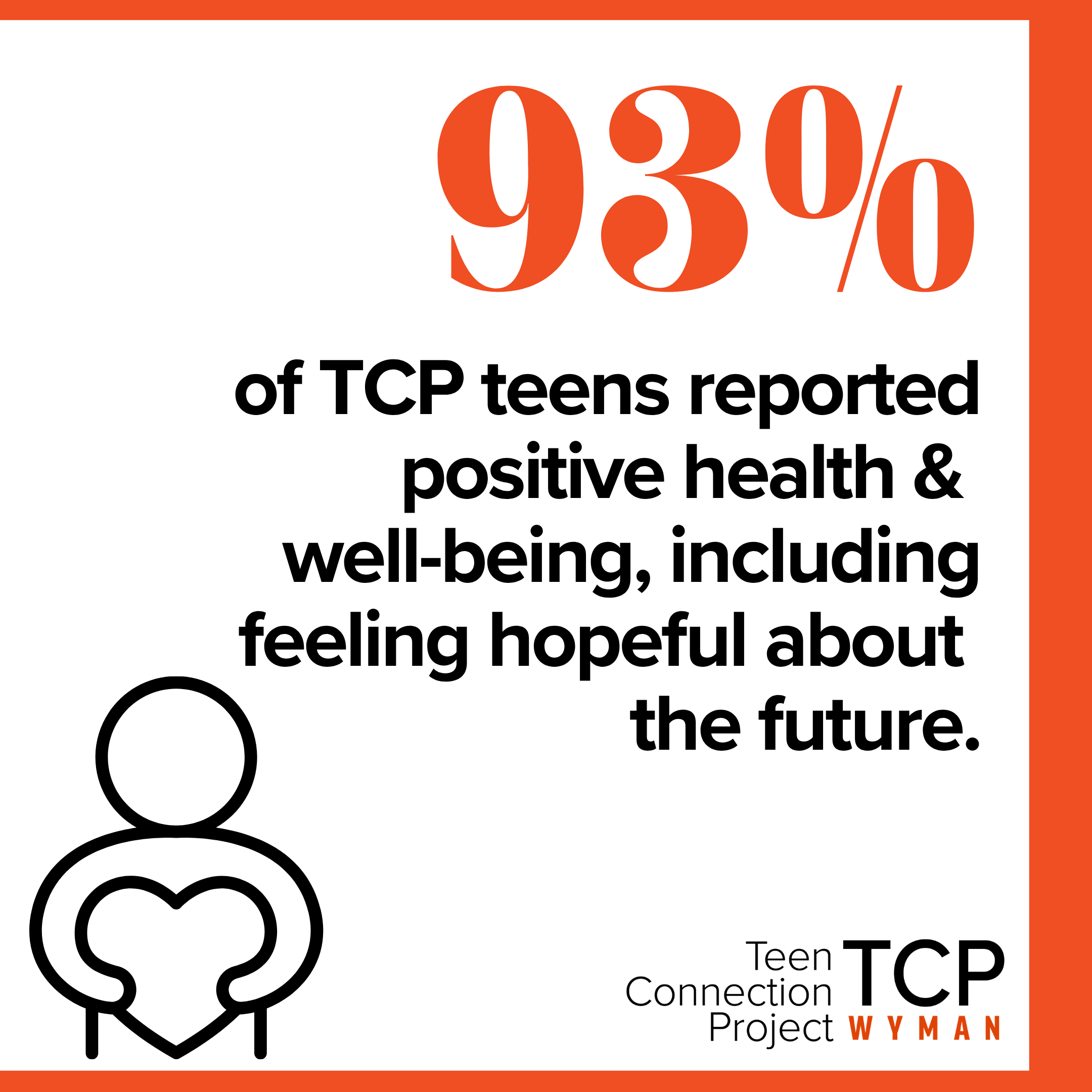
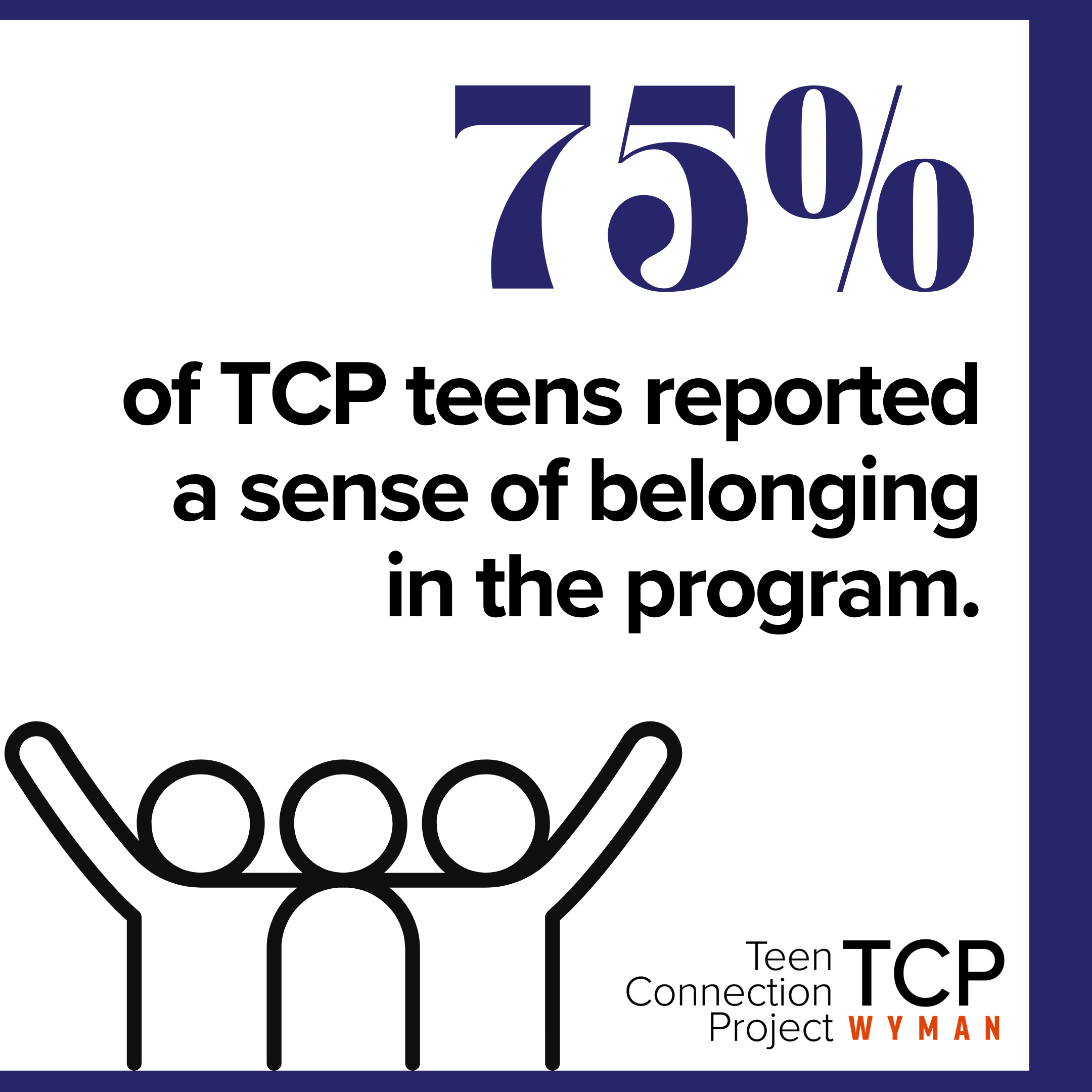
Note: The outcomes above pertain to Wyman’s local, direct implementation of TCP. This does not include information about national replication.
View all program outcomes →
How does TCP support teen mental health?
Research consistently shows that strong peer relationships and a sense of belonging are important protective factors for teen mental health. TCP is designed to help teens build supportive social connections and develop skills for seeking support, thereby promoting well-being and resilience.
How does TCP differ from other SEL curriculums?
While many social-emotional learning programs focus on teaching skills through direct instruction, TCP places unique emphasis on practicing and applying those skills to build meaningful peer relationships. Through shared experiences, discussion, and group activities, teens develop social connections while learning social and emotional skills in a safe and supportive environment.
Can TCP be used within an MTSS framework?
Yes. TCP is a Tier 1 program (universal prevention). Schools can incorporate TCP as part of their Multi-Tiered System of Supports (MTSS) to strengthen student connectedness and provide additional support for all students, especially those who may be experiencing social isolation or difficulty connecting with peers.
Where can TCP be implemented?
TCP can be implemented in a variety of settings, including high schools, community-based organizations, youth-serving agencies, and other settings that serve teens. Wyman provides training and implementation support to help organizations successfully bring TCP to their communities.
Who facilitates TCP?
Trained, caring adults facilitate TCP groups. Schools and organizations identify staff who then receive training from Wyman to facilitate TCP. Wyman provides training, implementation guidance, and support to help facilitators successfully deliver the program with high quality.
How can my school or organization learn more about TCP?
Schools and organizations interested in implementing TCP can contact Wyman by filling out this form to learn about more about TCP and how you can implement it within your community. Please note: Wyman only directly implements TCP at certain sites in the St. Louis area. We train and support others who wish to replicate TCP in their communities.