


About Wyman
For 128 years, Wyman has believed in the power of teens.
Wyman is a nonprofit organization with a local and national impact that helps teens build the skills, relationships, and opportunities they need to thrive. Founded in 1898, Wyman reaches young people through three proven programs, implemented directly by Wyman and through partnerships with schools and youth-serving organizations nationwide. Wyman’s mission is to connect teens to their voices, their strengths, and their futures through proven programs and supports.
Wyman at a Glance
- Founded: 1898
- Headquarters: St. Louis, Missouri
- Mission: To connect teens to their voices, their strengths, and their futures through proven programs and supports
- Teens supported through direct service programming annually: 1,100+
- Teens supported in the St. Louis region annually: 2,500+
- Teens supported nationally annually: 25,000+
- Programs: Wyman Leaders (St. Louis only), Teen Connection Project (replicated nationally), Teen Outreach Program (replicated nationally)
- Focus areas: Teen Mental Health, Positive Youth Development, Social-Emotional Learning, Adolescent Well-Being, Leadership Development, College and Career Exploration
- States served through national partnerships: 30+

Vision, Beliefs, and Mission
Our Vision
We envision a day when ALL young people thrive.
Our Beliefs
At Wyman, we believe every young person
- Possesses the talent and potential to succeed and lead.
- Needs healthy connections with caring adults and peers.
- Deserves quality educational and life experiences, unencumbered by economic and systemic barriers.
Our Mission
Wyman connects teens to their voices, their strengths, and their futures through proven programs and supports.
Our Values
Youth-Centered | Relationships | Equity | Learning | Results
Youth-Centered. Teens own their success and create their futures – we are here to support, guide, advocate, and celebrate. The world is ever-changing, and we adapt to remain reliable and relevant allies for teens. We stand with teens to break down barriers so they can build successful lives and recognize themselves as change agents in the world.
Relationships. All our work is done through relationships. Young people learn to develop and maintain healthy relationships. Through relationships, staff collaborate to actualize the mission. Healthy and constructive relationships with our partners and stakeholders contribute to the success of the young people and communities we serve. Our relationships are authentic, respectful, and transparent. They benefit from healthy conflict and diversity of thought, and foster trust and inclusion.
Equity. We commit to creating an environment that recognizes the different needs, experiences, and talents of each individual and ensuring that every teen and staff member has the opportunities and supports to feel confident bringing their whole self to Wyman and to achieve their very best. We commit to working with young people and community partners to dismantle the barriers that prevent our vision – a day ALL young people thrive – from becoming a reality.
Learning. As a learning organization, we measure what we do and use data to inform decisions, innovations, and improvement. We employ a continuous improvement process where we plan, do, learn, adjust, and lead by sharing knowledge with our peers and in our work. We demonstrate this value as an organization and as individuals.
Results. We exist to produce meaningful and lasting results. We measure and quantify our work in a way that we can track, and we report progress within and across teams and to stakeholders. As an organization, and as individuals, we calibrate and align our work to produce the desired results.
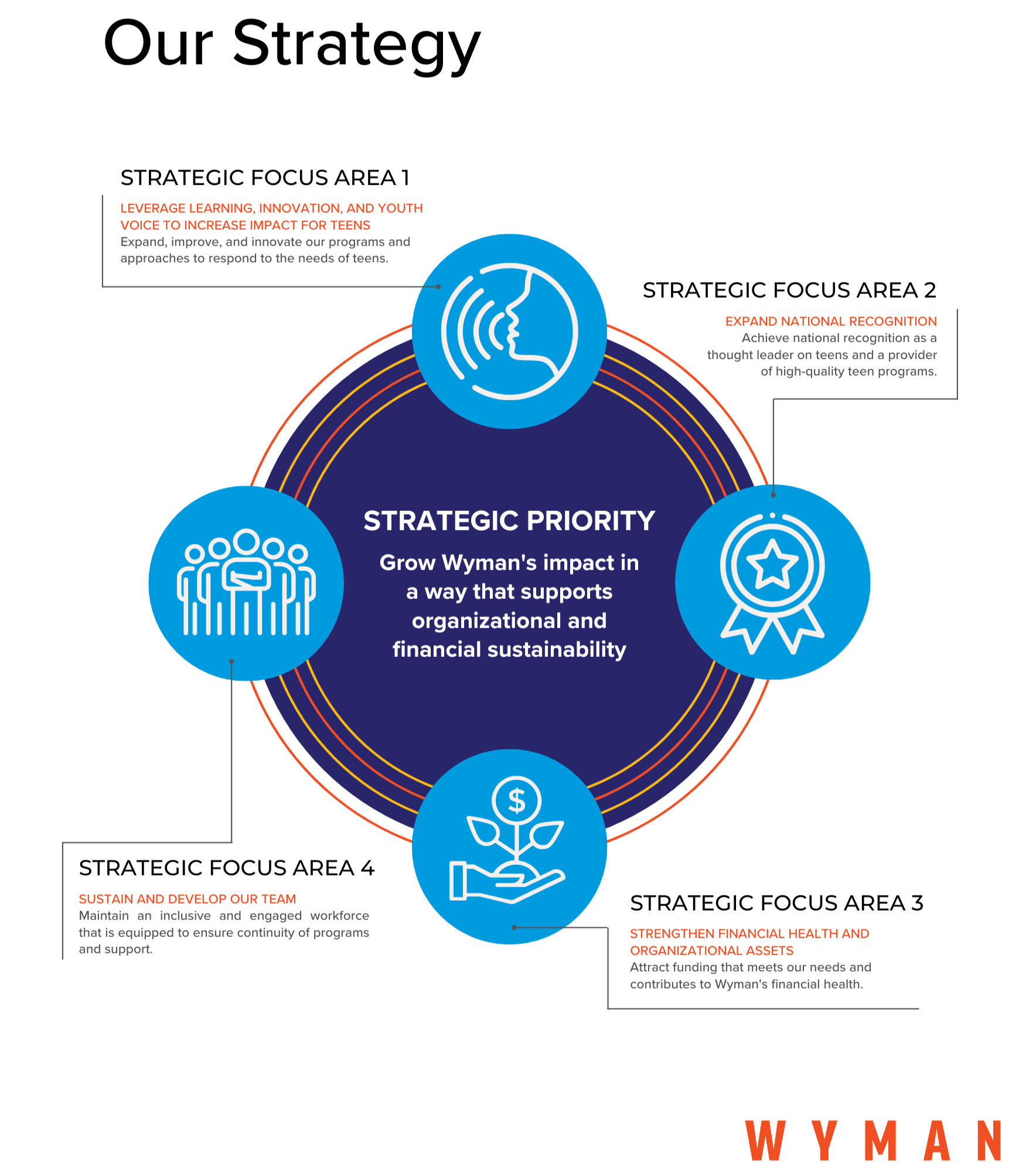
Our Strategy
The teen years are pivotal for growth and development. We know that with positive supports and healthy connections, all young people can achieve their goals.
With our North Star of increasing impact for teens in mind, our 2025-2027 STRATEGIC PLAN centers us on increasing impact through our programs, while ensuring the organization is in a sustainably healthy position to continue supporting teens for years to come.
Our approach to working with teens is anchored in:
- Research on youth development
- Our extensive experience with, and feedback from, young people
- The identified needs of teens and their communities: educational access, leadership and workforce skill development, and teen mental health.
The work is done through our three proven programs: The Teen Connection Project® (TCP®), Wyman Leaders, and The Teen Outreach Program® (TOP®)
Each program is different, but all include effective curriculums, engagement opportunities, and caring, well-trained adult facilitators to ensure all young people thrive as they move into adulthood.
Why Does Wyman Work with Teens?
In the early 2000s, our focus shifted to specifically supporting teens, a pivotal age for development and growth. Choices young people make during this time, and the type of supports and opportunities they have access to, can have a big impact on their futures. Wyman meets teens at this critical moment with proven programs and consistent supports that help them build connections, discover their strengths, and move toward their futures with confidence.
Wyman’s Three Proven Programs
Wyman Leaders: A multi-year leadership and educational and career success program for teens from 9th grade through two years after high school.
Teen Connection Project: A 12-14 week nationally recognized and evidence-based program for 9th through 12th graders that helps teens develop the tools to support their mental well-being.
Teen Outreach Program: A nine-month nationally recognized, evidence-based youth development program for 6th through 12th graders.
Wyman’s Impact
For more than 128 years, Wyman has helped young people develop confidence, life and leadership skills, and meaningful connections with peers, caring adults, and their communities. In the 2024-25 program year, 1,186 teens participated in Wyman’s three direct service programs. Through 70+ local and national partnerships, our programs reached more than 2,500 teens in the St. Louis area and more than 25,000 nationally.
Our 2024-2025 outcomes show what’s possible when young people are supported at the right moment. Teens in Wyman programs demonstrate strong life and leadership skills; deeper relationships; a sense of belonging with Wyman peers and coaches; overall positive well-being; and improved educational outcomes – including graduating from high school on time and persisting in postsecondary education.
Thriving Starts with Human Connection in a Tech and AI-Powered World
Wyman’s programs help young people build the human skills that are required to thrive alongside technology: authentic connection, communication, resilience, and leadership. Technology and artificial intelligence are transforming how young people learn, communicate, and navigate the world. While these tools offer incredible opportunities, they cannot replace relationships, sense of belonging, and authentic human connections that are critical to a positive human experience.
The future belongs to young people who can stay deeply connected to themselves, their communities and one another while leveraging evolving technology. By investing in real life (IRL) relationships and social-emotional growth, we help young people become confident, connected, and prepared to lead in a rapidly changing world.

FAQs
Is Wyman a nonprofit organization?
Yes, Wyman (legal name: Wyman Center, Inc.) is a 501(c)(3) nonprofit organization dedicated to connecting teens to their voices, their strengths, and their futures through proven programs and supports.
Where does Wyman work?
Wyman is located in St. Louis, Missouri and directly serves teens in the St. Louis region. We train and support schools and organizations in more than 30 states to replicate two of our programs, Teen Connection Project and Teen Outreach Program, in their communities.
How can I support Wyman?
Individuals, foundations, corporations, and community partners can support Wyman in several ways through:
- Donations: Make a one-time gift or become a Trailblazer with a monthly recurring gift. Your investment fuels proven programs that help teens build skills, confidence, and connection during pivotal years of development.
- Advocacy: Use your voice to advance Wyman’s mission and the policies, practices, and investments teens need to thrive. Advocate for educational equity, life and leadership skill development, teen mental health supports, and evidence‑based approaches, like Wyman’s, that center youth voice and connection.
- Partnerships: Partner with Wyman in a way that fits. Join us as a community partner through thought leadership, advocacy, collaboration, and shared growth, or as a program replication partner, bringing Wyman’s evidence‑based programs to more teens and communities.
- Volunteering: Share your time and talents to support Wyman’s programs, events, and teens in meaningful ways.
- Engaging and Learning: Explore Wyman’s programs, research, and insights to better understand what helps teens thrive. Follow our social media and subscribe to our newsletter.
How does Wyman measure its impact?
Wyman has a longstanding commitment to research and a dedicated Research & Learning team that uses evaluation, research, participant & facilitator feedback, and outcomes data to assess program quality and respond to the real needs of teens. Our programs are grounded in data and designed to work across communities.
Why are connections and supportive relationships important for teens?
The epidemic of loneliness and teen mental health crisis continue to significantly impact the well-being of young people. Disconnection and loneliness in adolescence increases lifetime risk of poor physical and mental health outcomes.
Experts in the field all agree: we need to offer more opportunities for young people to connect with their peers, their schools, and their communities.
Supportive relationships help teens feel connected, valued, and understood. Improving social connections for young people has been shown to improve mental health, increase academic engagement, and even positively impact long-term physical health.
What is Positive Youth Development (PYD)?
Positive Youth Development (PYD) is defined by the Interagency Working Group on Youth Programs as “an intentional, prosocial approach that engages youth within their communities, schools, organizations, peer groups, and families in a manner that is productive and constructive; recognizes, utilizes, and enhances young people’s strengths; and promotes positive outcomes for young people by providing opportunities, fostering positive relationships, and furnishing the support needed to build on their leadership strengths”.
PYD is not a specific program but an approach that guides programs, policies, and practices that support healthy youth development. PYD is:
- A philosophy rooted in the belief that adolescents and young adults are not problems to be fixed, but individuals with strengths, potential, and the capacity to thrive when provided with guidance, support, and opportunities;
- A strengths-based approach focused on identifying and building upon young people’s strengths and interests; and,
- A developmental process whereby young people develop important social, emotional, leadership, and life skills over time as they engage with positive relationships, meaningful opportunities, and safe, supportive environments.
All Wyman programs use a Positive Youth Development approach to guide program design and create supportive environments where young people can learn, grow, and thrive.
What are evidence-based youth programs?
“Evidence-based” youth programs refers to programs that have been studied using rigorous research methods, such as a randomized controlled trial or a quasi-experimental study. A key feature of these studies is that outcomes for youth who participate in the program are compared to outcomes for similar youth who do not participate. These study methods provide greater confidence that the positive outcomes observed are likely the result of the program or intervention rather than other factors, like typical development.
Some youth programs are also reviewed by independent evidence registries that assess the quality of the research and whether the program sufficiently demonstrated positive outcomes. Registries such as the Collaborative for Academic, Social, and Emotional Learning (CASEL) Program Guide or Blueprints for Healthy Youth Development help practitioners, schools and communities identify programs supported by strong evidence.
“Evidence-informed” programs have not yet been evaluated with rigorous research, but they are intentionally designed using theory, research, and best practices.
Wyman programs are informed by research and supported by evidence. Teen Outreach Program and Teen Connection Project have been studied through rigorous research and reviewed by independent evidence registries. Wyman Leaders has demonstrated positive outcomes, and is informed by research on adolescent development, social-emotional learning, and post-secondary access and success.
What are social-emotional or life and leadership skills?
Social-emotional or life and leadership skills are terms, much like “21st Century skills”, “soft skills”, “workforce readiness skills” or “character development”, that refer to knowledge, attitudes and abilities that young people develop over time to help them navigate life’s opportunities and challenges. These skills are important for healthy development and include abilities that help young people understand and manage their emotions, set and achieve positive goals, solve problems effectively, make healthy decisions, show empathy for others, establish and maintain positive relationships, communicate clearly, and collaborate with others.
Research shows that these skills develop over time and can be strengthened through intentional programs, practices, and supportive relationships. Further, stronger social-emotional and life and leadership skills are associated with positive outcomes in other areas such as academic success, workforce readiness, less engagement in risky behavior, and better mental health. These skills not only help young people successfully navigate their adolescent and young adult years but also prepare them for success later in life.
All Wyman programs are intentionally designed to help young people build these critical social-emotional and life and leadership skills.
HISTORY
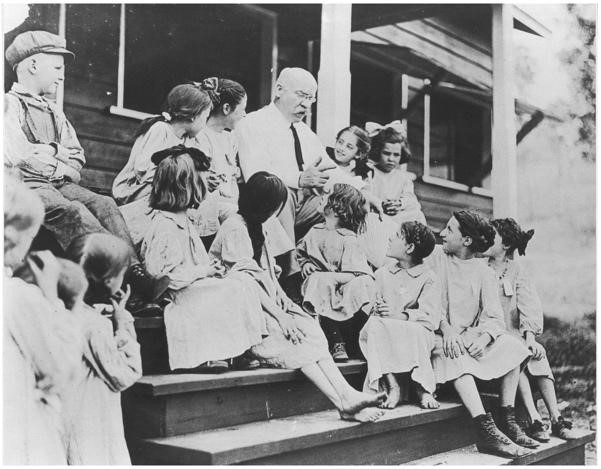
Founded 128 years ago, we have evolved from “Camp Wyman” into an organization that provides year-round support and programming for teens.
Read about Wyman's History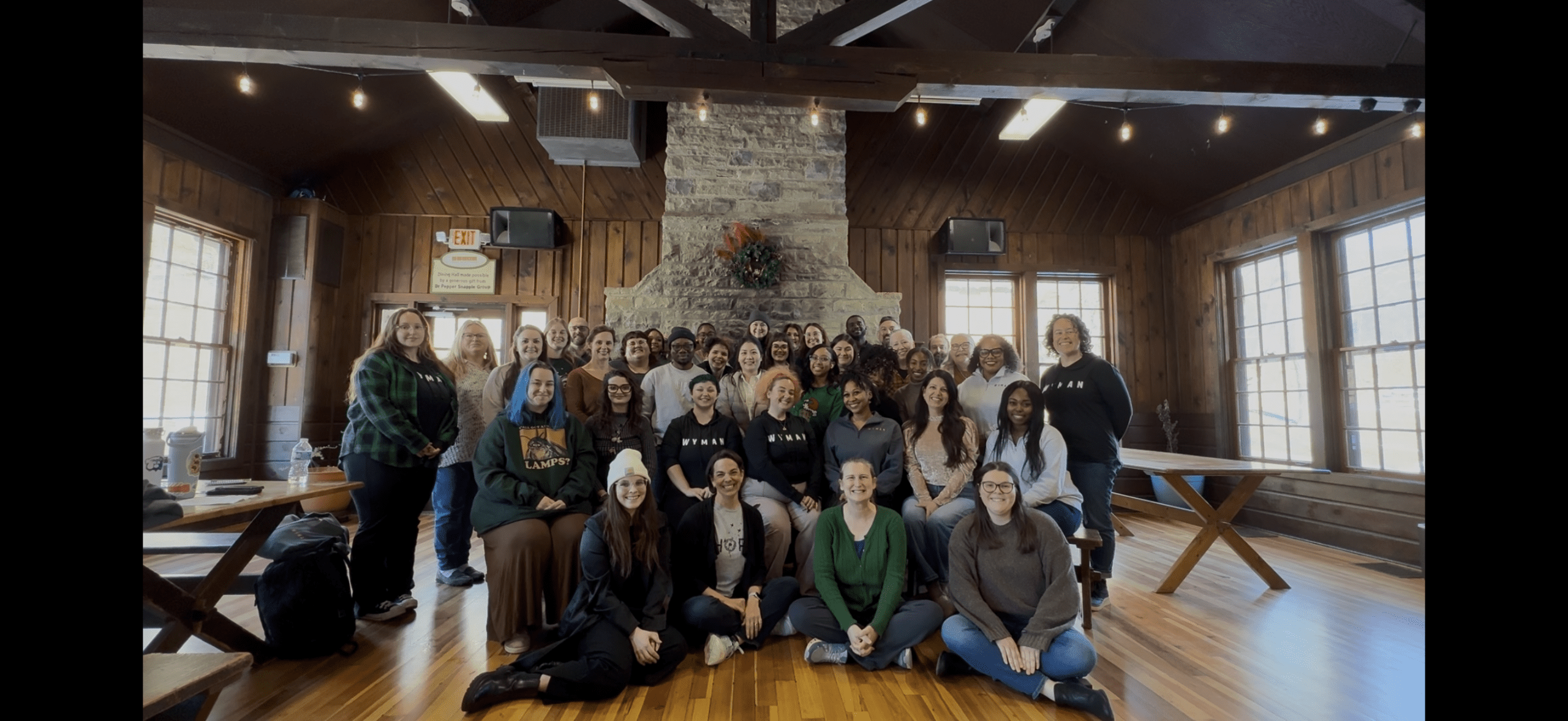
BOARD & STAFF
Wyman’s talented and dedicated staff and Board work to ensure the young people we serve have the resources and opportunities to achieve their goals.
Check out our Board & Staff
FINANCIAL REPORTS
Wyman is a 501 (c)(3) nonprofit organization dedicated to transparency. Our annual audited financial statements and IRS Form 990 are available here.
See our Financial Reports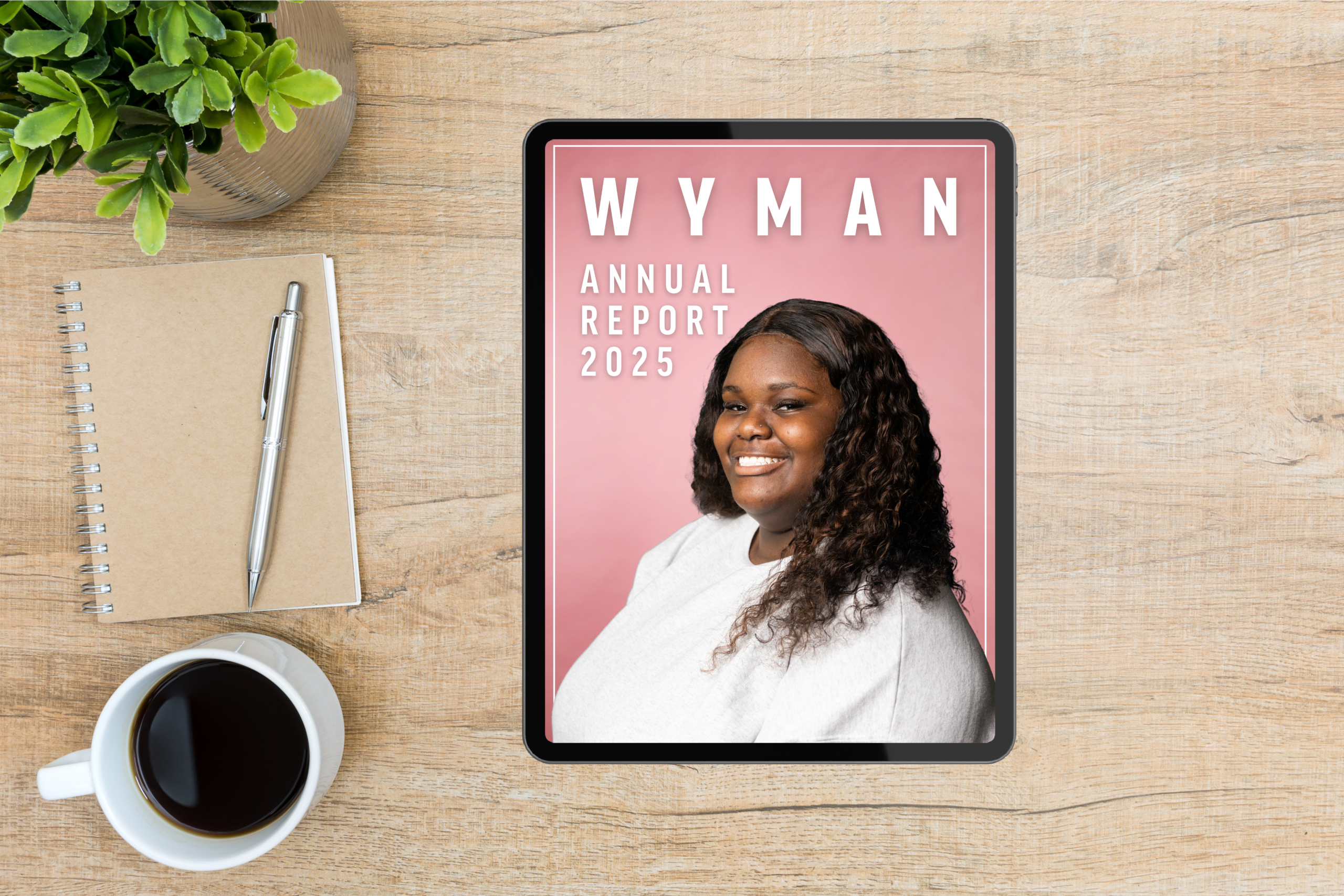
ANNUAL REPORTS
Take a look at Wyman’s work – the teens we serve, our community of support, and the powerful outcomes teens are achieving – over the last several years.
Read our Annual Reports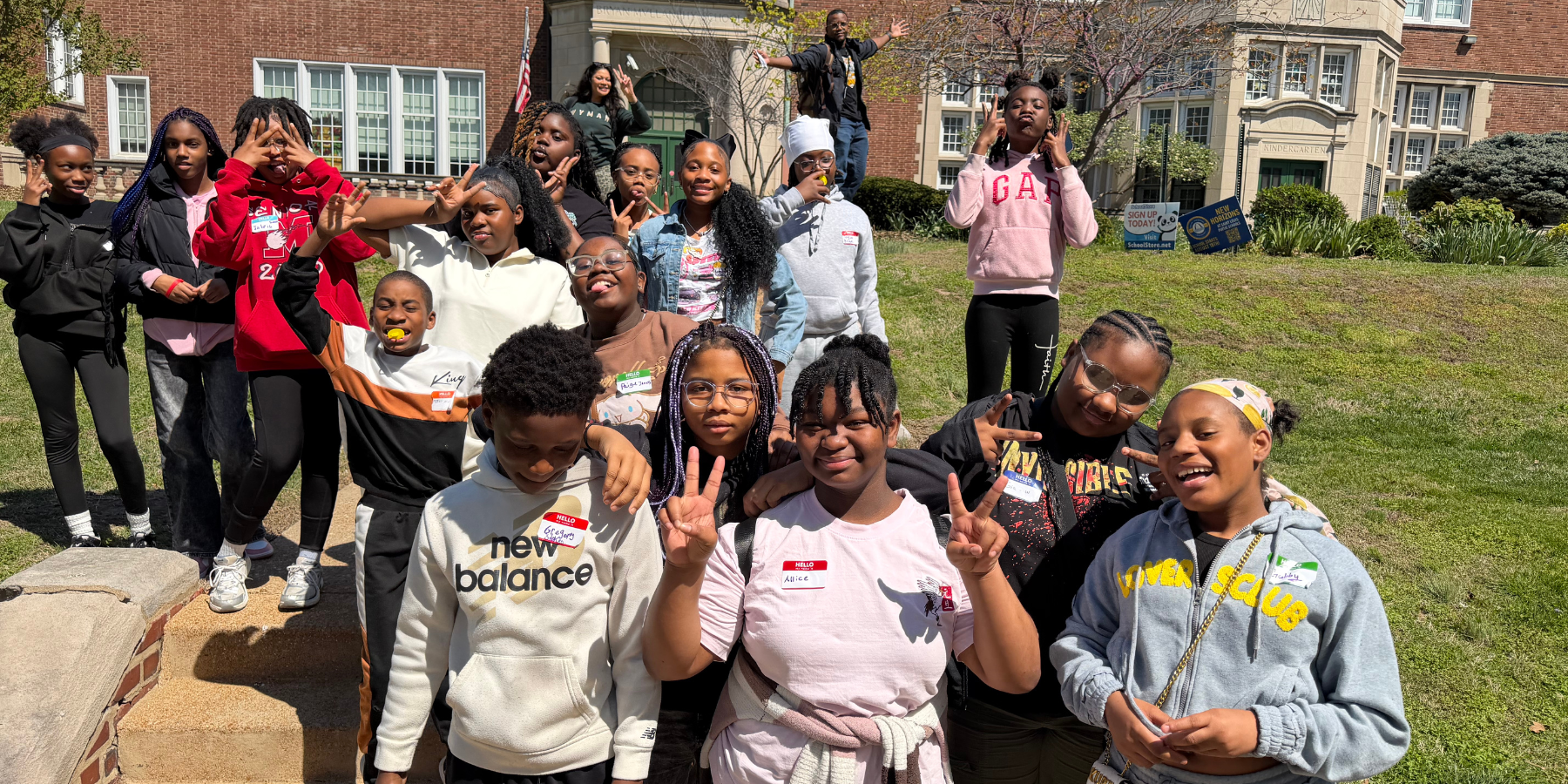
PROGRAMS
Through our programs – Wyman Leaders, TOP®, and TCP® – we provide experiences, opportunities, and resources to support teens as they grow and learn.
Learn about our Programs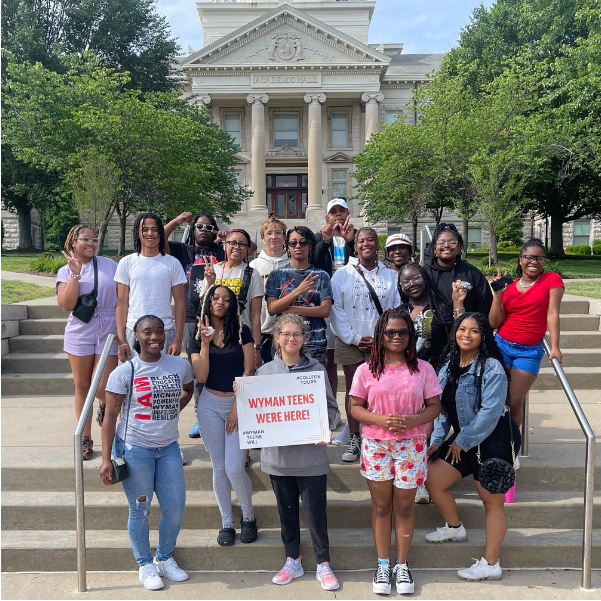
NEWS
There are a lot of new and exciting things happening at Wyman. Take a look through our blog to learn about our programs, research, teens, and alumni.
See the News from Wyman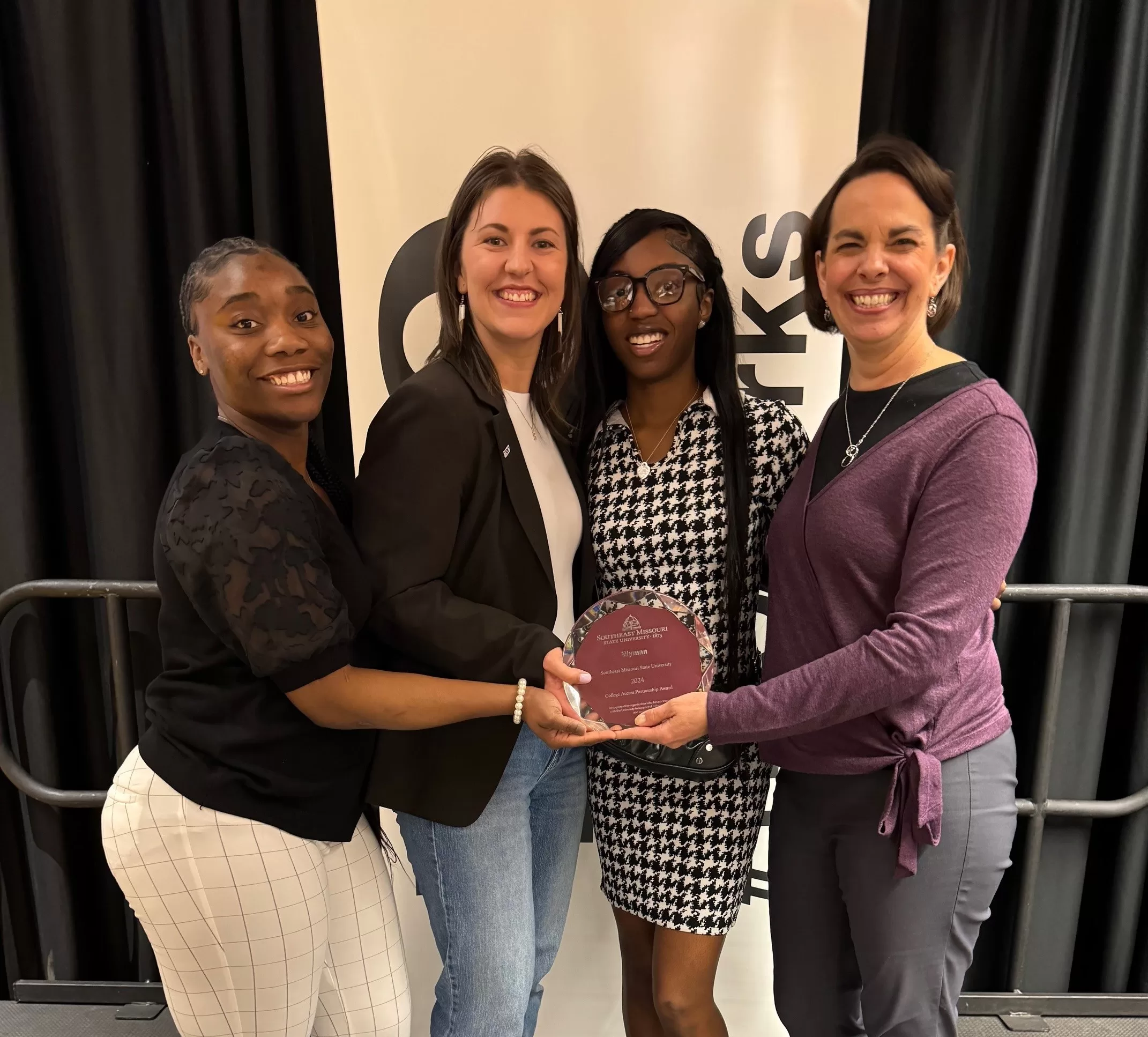
RECOGNITION
Wyman is a proud member of the St. Louis community, and we are honored to partner with and be recognized by several local and national organizations.
Wyman's Recognitions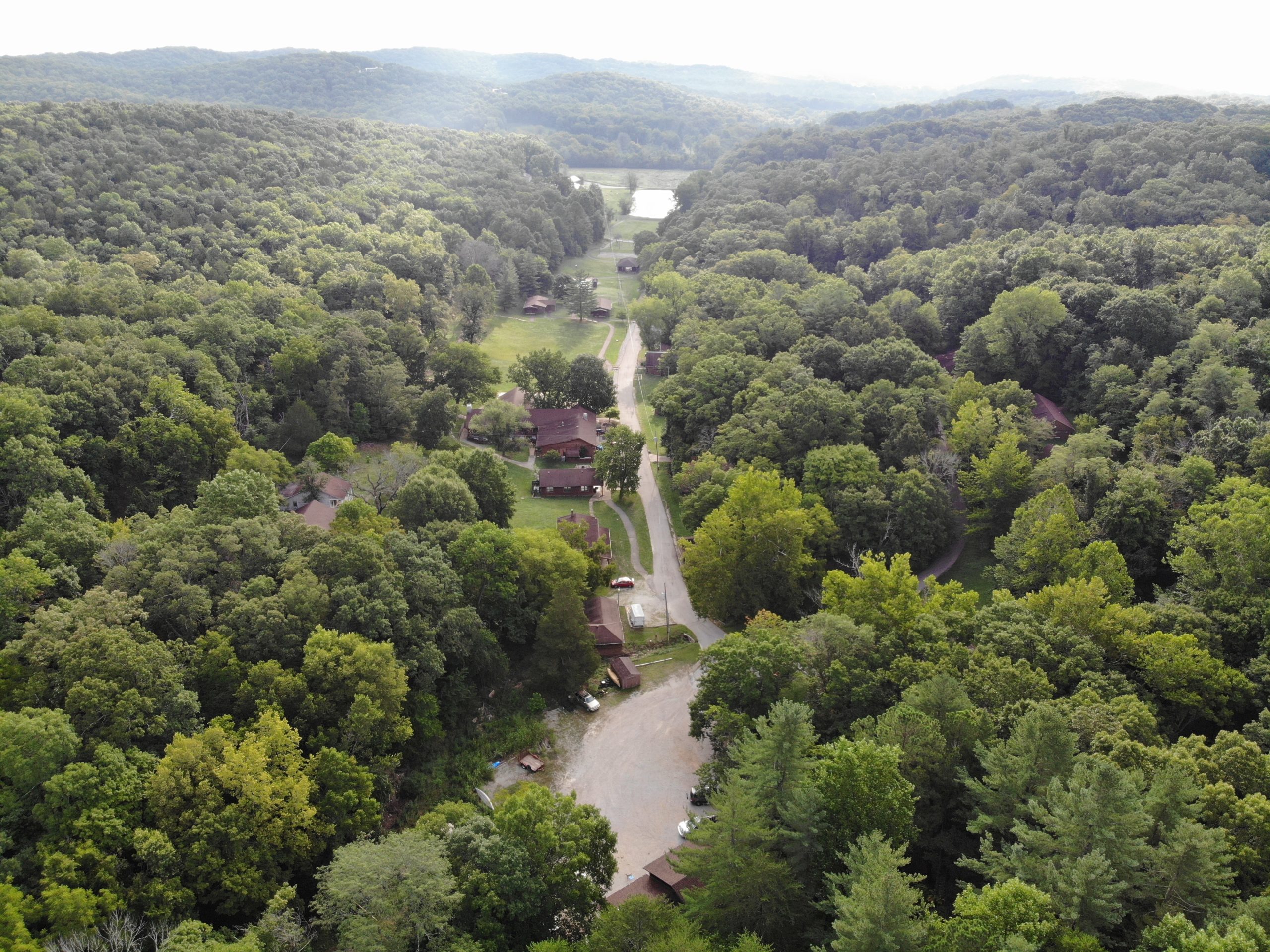
THE LAND WE’RE ON
Wyman’s offices are located on ancestral land of the Wahzhazhe, or Osage. Their histories, stories, and contributions deserve to be recognized and honored.
Land Acknowledgment